








A healthy smile is about much more than appearance. Strong teeth, healthy gums, fresh breath, and consistent oral hygiene all contribute to overall well-being. Whether you want to improve your daily dental routine, understand professional teeth whitening, or learn how to prevent common dental problems, having access to clear and practical information can make a real difference. Brasssmile is a name associated with the idea of a confident smile and the importance of taking good care of your teeth.
For people interested in dental health, Brasssmile Com can serve as a starting point for exploring topics such as brushing techniques, gum care, plaque prevention, cosmetic dentistry, and professional dental treatments. Understanding these subjects helps you make better decisions about your oral health and recognize when it is time to visit a dentist. The goal is not simply to achieve whiter teeth but to maintain a comfortable, healthy mouth for years to come.
What Is Brasssmile?
Brasssmile represents a dental-care-focused concept built around the value of healthy teeth, attractive smiles, and informed oral hygiene. When people think about a beautiful smile, they often picture bright teeth and confidence. However, a genuinely healthy smile also depends on strong enamel, healthy gums, clean teeth, and the absence of untreated dental problems.
For readers exploring Brasssmile Com, understanding the difference between cosmetic appearance and dental health is an important first step. Teeth whitening may improve the appearance of natural teeth, but it does not treat cavities, gum disease, or damaged enamel. Similarly, having straight teeth does not automatically mean that someone has excellent oral hygiene.
A useful dental resource should help readers understand everyday habits and professional treatment options without making unrealistic promises. It should explain what people can do at home, when professional care is necessary, and why individual dental needs can differ.
The name Brasssmile may also be used in different online contexts. Therefore, readers should check the exact website and its published services before assuming that a particular domain operates a dental clinic or provides treatment. Informational content can support learning, but clinical care requires qualified dental professionals.
Why Oral Health Matters
Oral health affects everyday activities such as eating, speaking, sleeping comfortably, and smiling with confidence. Healthy teeth help break down food, while healthy gums support the structures that keep teeth stable. Problems in either area can affect comfort and quality of life.
Tooth decay and gum disease are among the common oral health concerns people face. Tooth decay develops when acids produced by bacteria damage tooth enamel over time. Gum disease begins with inflammation and may progress when plaque remains around the teeth and gumline. Both conditions can often be managed more effectively when identified early.
Maintaining oral health also involves understanding the relationship between daily habits and long-term results. Brushing twice a day with fluoride toothpaste, cleaning between the teeth, limiting frequent sugary snacks, and attending appropriate dental checkups all contribute to prevention.
Brasssmile encourages readers to think about dental care as an ongoing routine rather than something to consider only when a tooth starts hurting. Many dental problems develop gradually, so waiting for pain is not always the best way to protect your teeth.
“A healthy smile is built through consistent care, informed choices, and regular attention to your oral health.”
Essential Daily Oral Hygiene Habits
A good oral hygiene routine does not need to be complicated. The most important part is consistency. Brushing and cleaning between your teeth every day helps remove plaque, the sticky film of bacteria that continually forms on tooth surfaces.
Dentists generally recommend brushing twice daily for two minutes using fluoride toothpaste. A soft-bristled toothbrush is suitable for most people because it can clean effectively without the excessive pressure that may irritate gums or contribute to enamel wear. Replace your toothbrush or brush head when the bristles become worn, following the manufacturer’s guidance.
Cleaning between the teeth is equally important because a regular toothbrush cannot reach every surface. Dental floss, interdental brushes, or other suitable cleaning tools can help remove food particles and plaque from these areas. The right option depends on the spacing between your teeth and your individual dental needs.
For readers using Brasssmile Com to learn about oral hygiene, the following table summarizes a practical routine.
| Oral Care Habit | Recommended Approach | Main Benefit |
|---|---|---|
| Brushing | Twice daily for two minutes | Removes plaque and food debris |
| Fluoride toothpaste | Use as directed on the product | Helps strengthen enamel and prevent decay |
| Interdental cleaning | Clean between teeth daily | Reaches areas brushing can miss |
| Water consumption | Drink water regularly | Helps maintain mouth comfort and wash away debris |
| Sugar management | Reduce frequent sugary snacks and drinks | Lowers the risk of tooth decay |
| Dental checkups | Follow your dentist’s recommended schedule | Supports early detection of problems |
Small improvements in daily habits can produce meaningful long-term benefits. However, people with braces, dental implants, gum disease, or other specific needs may require additional cleaning techniques recommended by their dentist.
Understanding Tooth Decay and Plaque
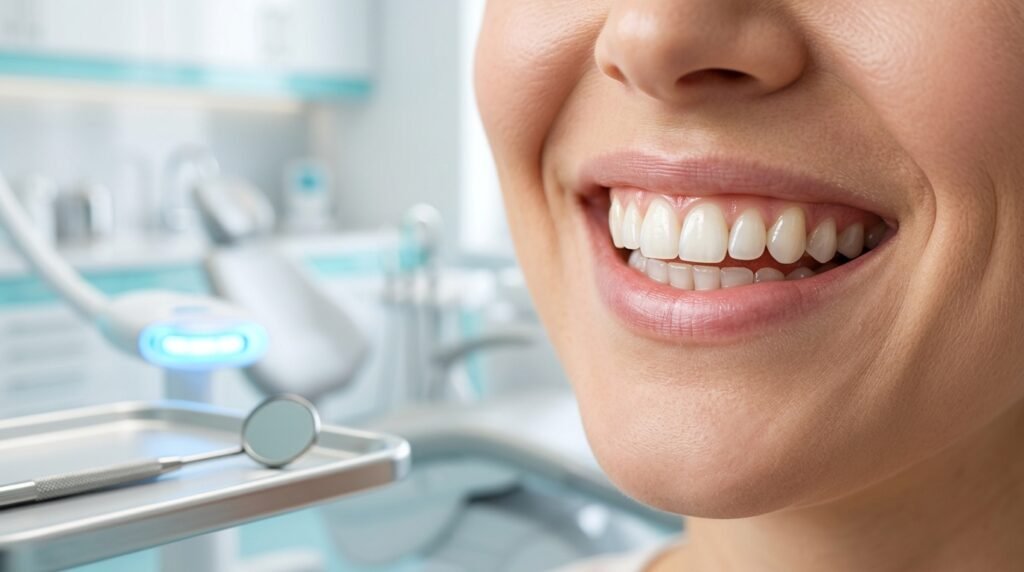
Plaque is a soft, sticky layer that forms on teeth throughout the day. It contains bacteria that interact with sugars and other fermentable carbohydrates from food and drinks. This process produces acids that can gradually remove minerals from tooth enamel.
If plaque is not removed regularly, it may contribute to cavities, gum inflammation, and bad breath. Over time, plaque can also harden into tartar, which generally requires professional dental cleaning to remove. Brushing and flossing help control plaque before it causes more serious problems.
To reduce the risk of tooth decay, avoid constantly sipping sugary drinks or eating sweet snacks throughout the day. The frequency of sugar exposure matters because repeated acid attacks give teeth less time to recover. Drinking water and choosing balanced meals can support a healthier routine.
Brasssmile readers should also understand that cavities do not always cause immediate pain. Early decay may go unnoticed until it becomes more advanced. Regular dental examinations can help identify problems before they require more extensive treatment.
If you experience persistent toothache, swelling, sensitivity, or visible damage, arrange a dental appointment rather than attempting to diagnose the problem through online information alone.
How to Achieve a Naturally Brighter Smile
A bright smile is a common cosmetic goal, but the safest approach begins with healthy teeth and gums. Surface stains can develop from coffee, tea, tobacco, and certain foods. Age and natural differences in tooth color also influence how white teeth appear.
Daily brushing, interdental cleaning, and professional dental cleaning when recommended can help manage surface buildup. However, ordinary brushing does not change the natural underlying color of teeth in the same way that bleaching products can.
Professional whitening and dentist-approved home whitening treatments may lighten natural teeth. Results vary according to the type of discoloration, the product used, and the condition of the teeth. Whitening does not change the color of crowns, veneers, fillings, or other restorative materials, so existing dental work may look different after treatment.
People considering teeth whitening through information found on Brasssmile Com should first determine whether their teeth and gums are suitable for treatment. A dentist can assess the cause of discoloration and recommend an appropriate option.
Avoid using household bleach, abrasive substances, or unverified whitening mixtures on your teeth. These methods may damage enamel, irritate gums, or cause other problems. Whitening products can also cause temporary sensitivity, particularly when used incorrectly or too frequently.
Professional Teeth Whitening vs. At-Home Products
Professional whitening is carried out or supervised by a dental professional, depending on the treatment. A dentist can examine your teeth, check your gums, discuss realistic expectations, and help select a suitable approach. This assessment is especially useful if discoloration has an underlying cause.
At-home whitening products include whitening strips, gels, and other treatments designed for consumer use. Their effectiveness varies according to the active ingredient, concentration, instructions, and the type of staining. Products should always be used according to their directions.
Neither option is appropriate for every person. People with untreated cavities, inflamed gums, significant tooth sensitivity, or certain types of dental restorations may need assessment or treatment before whitening. Children and teenagers should seek age-appropriate professional guidance before using whitening products.
The following comparison can help explain the main differences.
| Feature | Professional Whitening | At-Home Whitening |
|---|---|---|
| Initial assessment | Dental evaluation may be included | Often depends on the user’s judgment |
| Treatment guidance | Provided by a dental professional | Follows product instructions |
| Convenience | Requires an appointment for clinic treatment | Usually used at home |
| Results | Depend on the treatment and type of staining | Vary by product and use |
| Main consideration | Cost and suitability | Correct use and product safety |
The best choice is the one that suits your dental condition and expectations. Whitening should never come before treating active dental problems.
The Importance of Healthy Gums

Healthy gums provide support for your teeth and protect the tissues surrounding their roots. They should generally appear firm and should not bleed regularly during gentle brushing or interdental cleaning.
Gingivitis is an early form of gum disease associated with plaque buildup. Common signs include redness, swelling, tenderness, and bleeding. With appropriate professional advice and improved oral hygiene, gingivitis can often be reversed.
If gum disease progresses, it may damage the tissues and bone supporting the teeth. Advanced disease can lead to gum recession, loose teeth, and tooth loss. Early diagnosis and treatment can help limit damage and improve oral health.
A good routine includes brushing gently along the gumline, cleaning between the teeth, and arranging dental checkups according to your needs. If your gums repeatedly bleed, do not simply stop cleaning the area. Seek dental advice to identify the cause and learn the appropriate technique.
Brasssmile’s dental-care focus makes gum health an important subject because a smile is only as healthy as the tissues supporting it. Cosmetic treatments cannot replace the prevention and management of gum disease.
Cosmetic Dentistry and Smile Improvement
Cosmetic dentistry includes treatments intended to improve the appearance of teeth and smiles. Depending on a person’s needs, options may include whitening, veneers, tooth-colored bonding, orthodontic treatment, or certain restorative procedures.
Dental veneers are thin coverings placed on the front surfaces of selected teeth. They may help change the appearance of tooth shape, color, or minor irregularities. However, veneers require careful planning, and some types involve removing a portion of natural enamel. They are not a suitable choice for everyone.
Dental bonding uses tooth-colored material to repair certain chips, close small gaps, or improve the appearance of selected teeth. It may be less invasive than some alternatives, but the material can stain, chip, or require maintenance over time.
Orthodontic treatments, including braces and clear aligners, gradually move teeth into planned positions. Straightening may improve appearance and, in some cases, make certain areas easier to clean. Treatment length and suitability vary according to the complexity of the dental problem.
Before choosing any cosmetic procedure, discuss the expected benefits, risks, alternatives, maintenance requirements, and total cost with a qualified dentist. The goal should be an attractive result that also protects long-term oral health.
Dental Implants, Crowns, and Restorative Care
Sometimes, maintaining a healthy smile requires more than preventive care or cosmetic treatment. Teeth can become damaged by decay, injury, wear, or previous dental problems. Restorative dentistry aims to repair damaged teeth and replace missing ones where appropriate.
Dental crowns cover and protect teeth that need additional support. They may be recommended for certain extensively damaged teeth or after specific procedures. The material and design depend on the tooth’s location, the amount of remaining structure, and other clinical considerations.
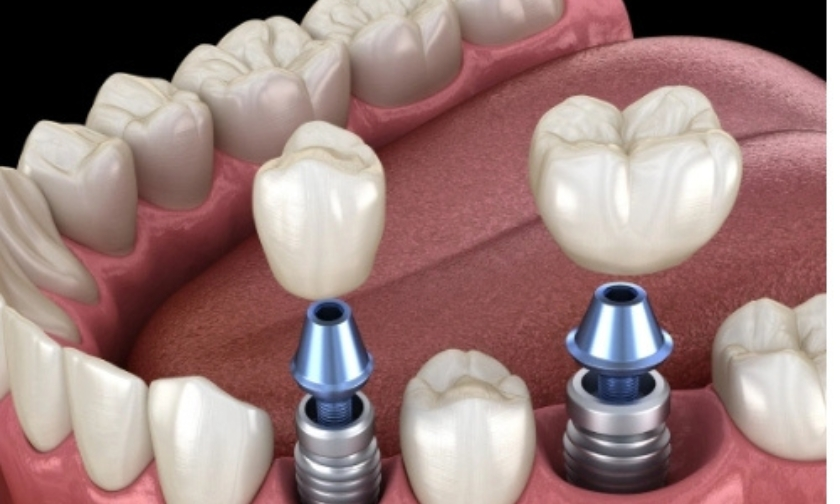
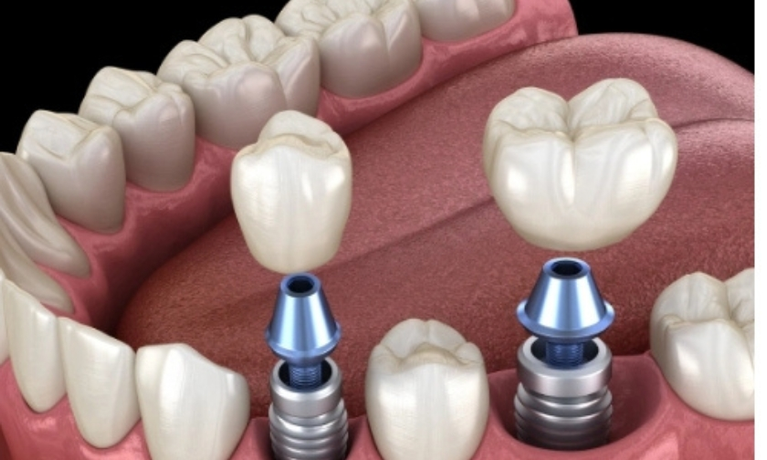
Dental implants are used to support replacement teeth. An implant is placed in the jawbone and may support a crown, bridge, or other restoration. Suitability depends on factors such as bone health, gum condition, medical history, and individual treatment goals. Implant treatment usually involves multiple stages and requires ongoing maintenance.
Not every missing or damaged tooth requires the same solution. Bridges, removable dentures, fillings, crowns, and implants each have different advantages and limitations.
Readers researching these treatments through Brasssmile Com should use online articles to understand basic terminology and prepare questions for a dentist. A clinical examination and individualized assessment are necessary before deciding on a treatment plan.
Managing Tooth Sensitivity and Bad Breath
Tooth sensitivity is a common concern that may cause discomfort when consuming hot, cold, sweet, or acidic foods and drinks. Possible causes include exposed root surfaces, enamel wear, tooth decay, cracks, and recent dental procedures.
Using a toothpaste designed for sensitive teeth may help some people, but the correct response depends on the cause. Avoid aggressive brushing and consult a dentist if sensitivity persists, becomes severe, affects one tooth, or occurs alongside pain or swelling.
Bad breath can also have several causes. These include bacteria on the tongue, gum disease, food debris, dry mouth, tobacco use, and some medical conditions. Improving oral hygiene, cleaning the tongue gently, drinking enough water, and addressing gum problems may help.
Mouthwash can be useful for some people, but it should not replace brushing and interdental cleaning. Persistent bad breath deserves attention because it may indicate an underlying oral health problem that requires treatment.
Brasssmile readers should remember that symptoms are clues, not diagnoses. If a problem continues despite good oral hygiene, a dental professional can help identify its source.
Choosing the Right Dentist
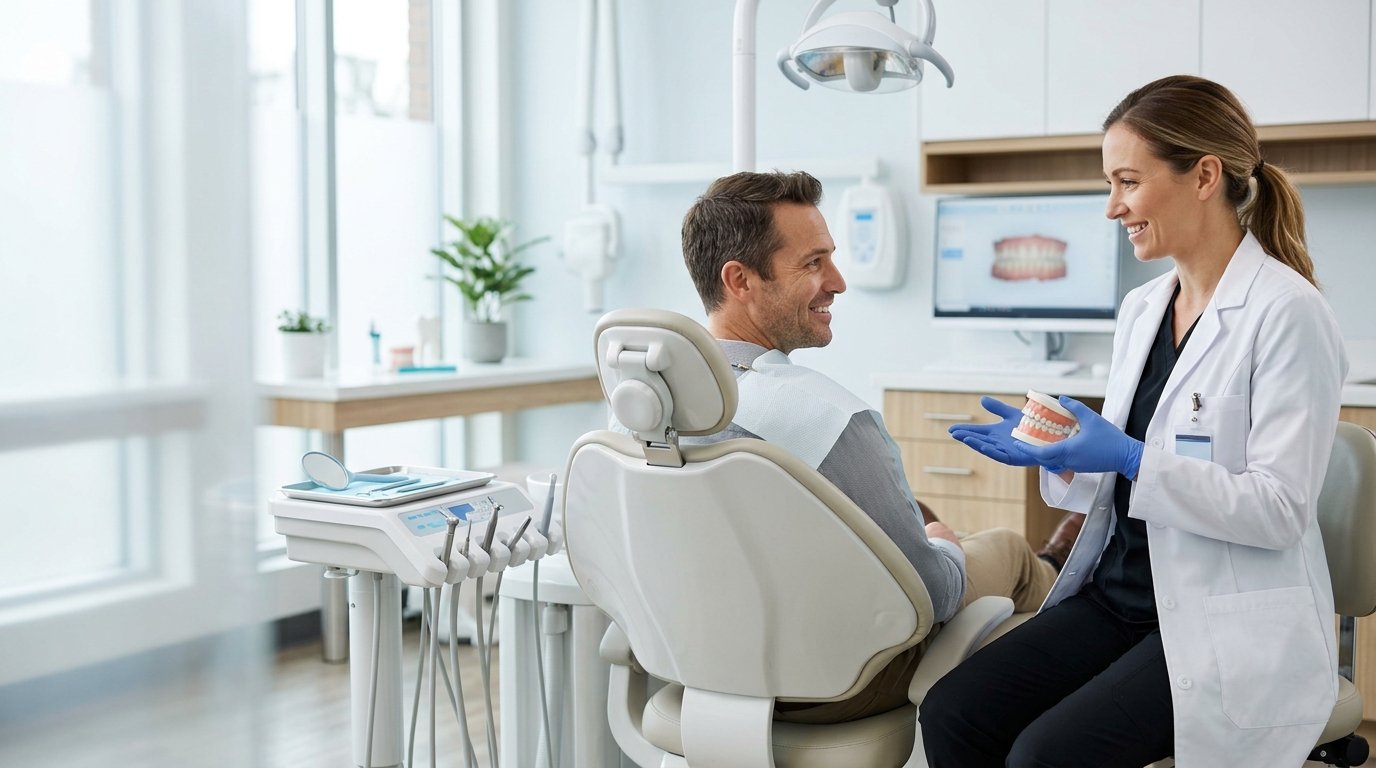
Finding a suitable dentist is an important part of maintaining oral health. A good dental professional should explain treatment options clearly, answer questions, discuss costs, and help you understand the benefits and limitations of recommended procedures.
Start by checking the dentist’s qualifications, registration status where applicable, clinical experience, and the services offered by the practice. Recommendations from trusted people can be helpful, but it is still important to make sure the professional is appropriate for your specific needs.
Communication matters as much as technical treatment. You should feel comfortable discussing pain, sensitivity, anxiety, previous dental experiences, and financial concerns. A dentist who explains procedures and alternatives can help you make informed decisions.
For complex procedures such as dental implants, extensive restorative treatment, or orthodontics, you may want to ask about relevant training and experience. You can also request clarification about recovery, possible complications, follow-up appointments, and long-term maintenance.
A website or article can help you prepare for a dental consultation, but it cannot independently confirm a clinician’s suitability. Verify credentials through the appropriate professional or regulatory body in your region.
Common Dental Care Mistakes to Avoid
Even people who brush every day can develop dental problems if their routine misses important areas. Brushing too quickly, ignoring the gumline, skipping interdental cleaning, and consuming sugary drinks frequently can all undermine oral health.
One common mistake is brushing too aggressively. Applying excessive pressure does not necessarily clean teeth better and may contribute to gum irritation or wear around exposed tooth roots. Use gentle movements and a suitable brush instead.
Another mistake is using whitening products without considering the condition of the teeth. Whitening cannot repair cavities, and it may increase discomfort if teeth are already sensitive. An assessment is a sensible first step when you have existing symptoms.
People also sometimes postpone dental appointments because they do not feel pain. Unfortunately, some problems remain relatively quiet in their early stages. Regular checkups can help detect concerns before they become more complicated.
| Common Mistake | Why It Can Be a Problem | Better Approach |
|---|---|---|
| Brushing too hard | Can irritate gums and contribute to wear | Use a soft brush and gentle pressure |
| Skipping interdental cleaning | Leaves plaque between teeth | Clean between teeth daily |
| Frequent sugary drinks | Increases repeated acid exposure | Reduce frequency and drink water |
| Ignoring bleeding gums | May overlook gum inflammation | Seek dental advice if bleeding persists |
| Overusing whitening products | Can cause sensitivity and irritation | Follow directions and obtain professional guidance |
| Delaying treatment | Problems may worsen over time | Arrange appointments when symptoms appear |
Building a reliable routine is usually more effective than trying multiple products in search of a quick fix.
Nutrition and Its Role in a Healthy Smile
What you eat and drink influences your teeth. Frequent exposure to sugar increases the opportunity for bacteria to produce acids that attack enamel. Acidic drinks can also contribute to enamel erosion, particularly when consumed frequently or sipped over long periods.
A balanced diet supports general health and provides nutrients involved in maintaining teeth and supporting tissues. Calcium-rich foods, suitable sources of vitamin D, vegetables, fruit, and other nutritious foods can form part of a healthy eating pattern.
Water is often a practical choice between meals. Depending on the local water supply, fluoridated water can also contribute to cavity prevention. After consuming acidic foods or drinks, rinsing with water can help clear some of the acid, and waiting around 30 minutes before brushing can reduce the risk of brushing softened enamel.
Avoid treating any particular food as a substitute for oral hygiene. Eating crunchy fruit or vegetables does not replace brushing, flossing, fluoride toothpaste, or professional dental care.
A useful Brasssmile dental routine combines sensible nutrition with daily cleaning and appropriate professional support. No single food, supplement, or oral-care product can guarantee perfect teeth.
How to Maintain Your Smile as You Age
Dental needs can change throughout life. Children may need preventive guidance and age-appropriate dental visits, while teenagers may require orthodontic assessment. Adults may need attention to gum health, tooth wear, restorations, or sensitivity.
Older adults can face additional challenges, including dry mouth, gum recession, difficulty cleaning around dental work, and an increased number of existing restorations. Some medications can reduce saliva production, which may increase the risk of cavities. Anyone experiencing persistent dry mouth should discuss it with a healthcare professional or dentist.
People with bridges, crowns, dentures, or implants need cleaning techniques suited to their restorations. Special brushes, flossing aids, and other tools may help reach areas that ordinary brushing misses.
The most important principle is to adapt your routine when your circumstances change. A dentist can recommend appropriate products, cleaning methods, and recall intervals based on your oral health rather than a one-size-fits-all schedule.
Maintaining a healthy smile is a long-term process. Consistent preventive care can help preserve comfort, function, and confidence at every age.
The Role of Brasssmile Com in Dental Awareness
Online dental information can make it easier for people to learn about oral hygiene and understand common procedures. A well-written article can explain unfamiliar terminology, outline typical treatment options, and help readers prepare meaningful questions for a dental appointment.
Brasssmile Com can be positioned as a source of introductory dental-care information if the website’s actual content supports that purpose. Useful subjects include brushing techniques, cavity prevention, gum health, teeth whitening, cosmetic dentistry, and the differences between common restorative treatments.
However, good dental content should avoid promising guaranteed results or presenting generalized advice as a personal diagnosis. Oral health depends on individual circumstances, and the appropriate treatment can vary considerably from one person to another.
For example, an article about whitening should explain that results depend on the type of staining and the condition of the teeth. A discussion of implants should mention that professional assessment is necessary. A guide to gum disease should encourage readers to seek help for persistent bleeding or swelling.
This balanced approach supports reader understanding while respecting the limits of online information. Educational content is most valuable when it helps people make informed decisions and recognize when professional care is necessary.
Conclusion
A healthy smile begins with consistent oral hygiene, informed choices, and appropriate professional care. Brushing twice daily with fluoride toothpaste, cleaning between the teeth, managing sugar consumption, and attending recommended dental appointments all help protect teeth and gums.
Brasssmile provides a useful theme around which to explore these essential dental topics. From everyday oral hygiene and plaque prevention to whitening, cosmetic dentistry, and restorative treatments, understanding the available options helps readers approach dental care with greater confidence.
Brasssmile Com can support this learning process when its content is clear, accurate, and appropriately focused on dental health. Readers should still verify the exact website, assess the reliability of individual articles, and consult qualified dental professionals before making treatment decisions.
Ultimately, a beautiful smile is not defined by whiteness alone. Healthy gums, strong teeth, comfortable chewing, fresh breath, and good daily habits matter just as much. With regular care and realistic expectations, you can protect your oral health and maintain a smile that looks good and feels good for years to come.
Frequently Asked Questions About Brasssmile
What is Brasssmile?
Brasssmile is a name that can be used for different online purposes. In a dental-care context, it can represent a focus on healthy teeth, oral hygiene, smile improvement, and dental awareness. Readers should check the exact website to confirm its actual services and content before assuming that it operates a dental clinic.
What can I learn about dental care from Brasssmile Com?
Brasssmile Com can be used as a starting point for learning about topics such as brushing, flossing, plaque prevention, gum health, teeth whitening, and common dental treatments, provided these subjects are covered by its published content. For personalized advice or treatment decisions, consult a qualified dental professional.
How can I keep my teeth healthy every day?
Brush twice daily for two minutes with fluoride toothpaste, clean between your teeth daily, reduce frequent sugary snacks and drinks, and follow your dentist’s recommendations for checkups. Choose a soft-bristled toothbrush and avoid applying excessive pressure. Consistency is more important than buying numerous dental products.
Does teeth whitening damage natural teeth?
Whitening products used appropriately can lighten natural teeth, but temporary sensitivity and gum irritation may occur. Incorrect use or unsuitable products can increase the risk of problems. Ask a dentist whether whitening is appropriate, particularly if you have cavities, gum disease, existing sensitivity, or dental restorations.
How often should I visit a dentist?
The recommended interval depends on your oral health, history of dental problems, and risk factors. Some people need more frequent appointments, while others may require less frequent reviews. Follow the schedule recommended by your dental professional rather than assuming that the same interval suits everyone.
What causes bleeding gums?
Bleeding gums are commonly associated with plaque buildup and gum inflammation, although other causes are possible. Brush gently, clean between your teeth, and arrange a dental assessment if the bleeding continues. Do not ignore persistent symptoms, as untreated gum disease can progress and damage the tissues supporting your teeth.
Can Brasssmile Com help me choose cosmetic dental treatment?
Informational articles can help explain options such as whitening, bonding, veneers, orthodontics, and crowns. However, the best treatment depends on your oral health, goals, budget, and the condition of your teeth. A qualified dentist can evaluate your situation, explain the risks and benefits, and recommend suitable alternatives.
What is the difference between cosmetic dentistry and general dentistry?
General dentistry focuses on preventing, diagnosing, and treating oral health problems, including cavities and gum disease. Cosmetic dentistry focuses primarily on improving the appearance of teeth and smiles, although some procedures can provide both functional and aesthetic benefits. Many treatment plans combine both approaches.
How can I prevent cavities and tooth decay?
Use fluoride toothpaste, brush twice daily, clean between your teeth, and limit frequent exposure to sugary foods and drinks. Drink water regularly and attend dental checkups as recommended. Because early cavities may not cause noticeable pain, preventive examinations are important even when your teeth feel normal.
Is Brasssmile Com a substitute for visiting a dentist?
No. Brasssmile Com and other online resources can help you understand dental terminology and prepare questions, but they cannot replace a clinical examination, diagnosis, or personalized treatment plan. If you experience severe toothache, facial swelling, fever associated with dental symptoms, or difficulty swallowing or breathing, seek urgent medical or dental care as appropriate.